
Couples Facial Near Me in Weston, FL | Gaia Spa
Local Booking Guide Couples Facial Near Me in Weston, FL: Availability & Booking Guide Looking for two facials at the same time? Review Gaia Spa’s current facial menu and the details to confirm before booking a shared facial visit. Short Answer Does Gaia Spa currently offer a Couples Facial? Gaia Spa’s public menu currently lists individual facial services, while its published two-guest service is Couples Massage. A standalone Couples Facial is not currently shown. If you want two facials at the same time, confirm provider availability, room setup, selected treatments and total pricing before booking. View Facial Menu Call 954-204-3421 What Gaia Spa Currently Offers Gaia Spa’s current Facial menu includes several individual treatments. The prices below are listed per facial guest; they should not be treated as a Couples Facial package price. Gaia Signature Facial Customized facial care with a purifying lymphatic massage. 50 minutes$179 standard / $129 member Citrus C Facial Vitamin C-focused treatment with a customized peel and mask. 60 minutes$209 standard / $159 member Purify Facial Deep cleansing and pore-focused care for acne-prone skin. 60 minutes$209 standard / $159 member Revive Facial Antioxidant-rich care designed for a brighter-looking complexion. 60 minutes$209 standard / $159 member Soothe Facial Gentle facial care for sensitive or redness-prone skin. 60 minutes$209 standard / $159 member Lift & Restore Facial Advanced facial care focused on a firmer, smoother appearance. 60 minutes$249 standard / $199 member Review the complete Gaia Spa Facial menu for current services, enhancements and booking links. What to Confirm Before Booking Two Facials Important: Do not assume that booking two separate facial appointments will automatically create a side-by-side Couples Facial experience. 1Confirm two-provider availability Ask whether two qualified providers are available at the same time. 2Confirm the room setup Ask whether both treatments can take place together in a suitable room. 3Choose the treatments Confirm whether both guests need the same facial or may select different facials. 4Confirm total pricing Ask for the total price for both guests, including any membership rate or room fee. 5Confirm cancellation terms Two simultaneous appointments may have different scheduling and cancellation requirements. Couples Facial or Couples Massage? Gaia Spa currently has a dedicated Couples Massage page with shared-room details, 50- and 80-minute options and published Couples Massage pricing. Couples Facial availability should be confirmed separately because it is not shown as the same type of bookable service. Question Couples Facial Couples Massage Current public listing Not shown as a standalone service Dedicated Couples Massage service Two guests together Confirm before booking Published as side-by-side service Service choices Confirm whether choices can differ Pressure and focus are personalized Best next step Call to confirm availability Use the Couples Massage booking link Frequently Asked Questions Does Gaia Spa offer Couples Facial in Weston, FL? A standalone Couples Facial is not currently shown on Gaia Spa’s public menu. Contact the spa to ask whether two facial appointments can be scheduled together. Can two people book facials at the same time? It may depend on provider availability, room setup and the selected treatments. Confirm these details before booking two separate appointments. Can each guest choose a different facial? The public menu does not confirm how paired facial appointments are arranged. Ask the spa whether each guest may select a different treatment. How much does a Couples Facial cost? There is no published Couples Facial package price currently shown. Individual facial prices range by treatment; ask Gaia Spa for the total price for two guests. Can I book a Couples Facial online? Start with the online booking menu, then call Gaia Spa if a Couples Facial option is not visible. What is an alternative for two guests? Gaia Spa has a published Couples Massage experience. You can also ask about booking two individual facials or planning a shared Spa Day in Weston. Related Gaia Spa Pages Facials in Weston, FL Couples Massage in Weston, FL Spa Day in Weston, FL Can You Get a Massage and Facial on the Same Day? Services, prices and availability may change. This guide provides booking information based on the currently published menu and does not guarantee simultaneous appointment availability.
Head Spa in Weston, FL | Gaia Spa Services & Booking
Local Service Guide Head Spa in Weston, FL: What Gaia Spa Currently Offers Looking for a head spa in Weston? Review Gaia Spa’s current scalp-focused treatment, pricing and the details to confirm before booking. Short Answer Does Gaia Spa currently offer a Head Spa? Gaia Spa’s public menu currently lists Stone Crop Oil Scalp Treatment as a Facial Enhancement. It is not currently listed as a separate standalone Head Spa service. Because services and availability can change, confirm the current booking details before your visit. View Current Facial Menu Check Online Booking What Gaia Spa Currently Lists The current scalp-focused option appears under the Facial Enhancements section rather than as a separate Head Spa category. Stone Crop Oil Scalp Treatment This scalp-focused enhancement is described as a treatment that hydrates and nourishes the scalp. It may suit guests who want to add scalp care to a facial appointment. Standard Price$40 Member Price$30 The public menu does not show a separate standalone duration for this enhancement. Ask about appointment length and booking format before confirming your visit. Head Spa vs. Scalp Treatment People searching for “head spa in Weston” may want either a dedicated scalp ritual or a shorter scalp-focused enhancement. What You Want to Know Standalone Head Spa Current Gaia Menu Option How it is listed A dedicated service or category Facial Enhancement Current public listing Confirm with the spa Stone Crop Oil Scalp Treatment Price shown online Depends on the provider $40 standard / $30 member Duration and steps Confirm before booking Confirm before booking What to Confirm Before Booking If you are specifically looking for a complete Head Spa experience, check the current booking menu before selecting a date. Service format Ask whether it is booked as a Facial Enhancement or a standalone service. What is included Confirm whether scalp massage, cleansing, steam, hair washing or drying is included. Appointment length Ask how much additional time the scalp treatment adds to the selected facial. Final price Confirm the current standard or membership price before completing the appointment. Which Gaia Spa Option May Fit Your Goal? 1You want scalp-focused care Ask about adding Stone Crop Oil Scalp Treatment to a facial appointment. 2You want complete facial care Review the Gaia Spa facial menu and choose a treatment based on your skincare goals. 3You want a longer spa visit Explore the Spa Day in Weston guide for planning multiple services. Frequently Asked Questions Does Gaia Spa have a standalone Head Spa in Weston, FL? Gaia Spa’s current public menu lists a Stone Crop Oil Scalp Treatment as a Facial Enhancement. A separate standalone Head Spa service is not currently shown on the public menu. What scalp treatment does Gaia Spa offer? The current menu lists Stone Crop Oil Scalp Treatment. It is presented as an enhancement that can be discussed with the spa before booking. How much is the Stone Crop Oil Scalp Treatment? The listed price is $40 for standard guests and $30 for members. Confirm current pricing before your appointment. Does the scalp treatment include hair washing? The public menu does not specify hair washing, shampooing, blow-drying or steam. Ask Gaia Spa what is included before booking. Can I book the scalp treatment online? Start with the online booking menu or contact Gaia Spa to confirm how the enhancement should be added to your selected facial. Where can I get facial services in Weston, Florida? Gaia Spa offers professional facial services in Weston, Florida. Visit the current Facial menu to review available treatments and prices. Related Gaia Spa Guides Facials at Gaia Spa Spa Day in Weston, FL How Often Should You Get a Facial? Menu items, prices and availability may change. This page provides service-planning information and does not guarantee appointment availability. Confirm current details with Gaia Spa before booking.
Can You Get a Massage and Facial on the Same Day?
Spa Planning Guide Can You Get a Massage and Facial on the Same Day? Learn how to plan the order, timing and comfort of two popular spa services during one visit. Gaia Spa Editorial Team Weston, Florida Updated September 9, 2026 Quick Answer Yes, many guests can schedule a massage and facial on the same day. For a typical relaxation visit, massage first and facial second is often the most practical order because the facial finishes with freshly cleansed and cared-for skin. However, the best order depends on the exact facial, massage pressure, recent cosmetic procedures and your provider’s advice. Combining a massage and facial can create a balanced spa visit: one service focuses on body relaxation or targeted muscle work, while the other focuses on personalized skin care. The key is to coordinate both appointments instead of treating them as two unrelated bookings. Tell the spa team that you plan to receive both services. They can consider the facial type, massage style, transition time and any relevant health or skin concerns before recommending an order. Should You Get a Massage or Facial First? Massage First This is often a comfortable choice for a standard spa day. It allows the facial to cleanse and finish the skin after time spent in the massage face cradle and after any normal transition between treatment rooms. Facial First This may make sense when appointment availability or a particular treatment protocol requires it. Ask whether the following massage position or products could affect freshly treated skin before confirming this order. There is no universal sequence for every combination. A gentle relaxation massage and classic facial are different from firm deep tissue work paired with an exfoliating or advanced skin treatment. The providers performing the exact services should make the final recommendation. Same-Day Massage and Facial at a Glance Situation Practical Starting Point What to Confirm Relaxation spa day Massage first, facial second Appointment timing and transition time Firm or focused massage Allow an unhurried transition Pressure tolerance and how you usually respond afterward Advanced facial treatment Follow the skin care provider’s protocol Positioning, pressure, heat and aftercare restrictions Sauna also included Plan heat before finishing skin care Hydration, cooling time and facial-specific guidance Recent cosmetic procedure Do not assume same-day treatment is appropriate Clearance and aftercare instructions from your medical provider Why Massage First Is Often More Practical Face-Cradle Comfort Many massages include time lying face down. Scheduling the facial afterward avoids placing freshly treated facial skin into the face cradle immediately after products have been applied. A Clean Finish A facial typically includes cleansing and finishing products. When it comes second, it can serve as the final skin care step of the visit rather than being followed by another treatment transition. A Gradual Change of Pace Beginning with massage allows guests to settle into the visit before moving into focused facial care. Personal preference still matters; tell the team if you know that another order feels better for you. Coordinating both providers helps create a more comfortable, unhurried same-day spa experience. How Much Time Should You Leave Between Treatments? The appointments do not necessarily need a long break between them, but they should not feel rushed. Leave enough time to change rooms, use the restroom, drink water and speak with the next provider. Exact timing depends on the services and the spa schedule. A Simple Same-Day Plan Before the visit Share that you want both services and mention relevant health, skin or recent procedure information. First treatment Receive the massage with pressure adjusted to your comfort and goals. Transition Allow time to hydrate, change rooms and avoid carrying a rushed feeling into the facial. Final treatment Complete the visit with the facial and follow the skin care provider’s aftercare guidance. What If You Also Want to Use a Sauna? If sauna use is appropriate for you, it is generally easier to plan heat before the final facial rather than immediately after freshly applied skin care products. Allow time to cool down and hydrate. Certain facial treatments may have specific heat restrictions, so confirm the complete sequence before your visit. Read our detailed guide about whether to use a sauna before or after massage when planning a longer spa day. When Should You Avoid or Postpone the Combination? Ask a Qualified Provider Before Booking If: You recently received facial injectables, laser treatment, a chemical peel or surgery. You have broken, infected, severely irritated or actively inflamed skin. You have a recent injury, fracture, open wound or increased bleeding risk. You have a current or suspected blood clot or another condition that may make massage unsafe. You are pregnant and have medical complications or have been advised to limit massage or heat. The National Center for Complementary and Integrative Health notes that massage generally has a low risk of harmful effects, but rare serious complications have been reported, particularly with vigorous massage or in people at increased risk of injury. Recent injectables require special care. The American Society of Plastic Surgeons advises against rubbing or massaging areas treated with botulinum toxin, and its filler guidance emphasizes following the medical provider’s recovery instructions. When in doubt, postpone the spa appointment until the treating clinician confirms it is appropriate. How to Book Both Services at Gaia Spa Review the available massage services and facial services, then contact Gaia Spa with both selections. Mention whether you prefer light, medium or firm massage pressure and whether the facial involves special exfoliation, devices or aftercare. If you are building a longer visit, our Spa Day in Weston, FL guide explains how massage, facial, private sauna and couples experiences can fit into one plan. Frequently Asked Questions Can you get a facial and massage on the same day? Yes, many guests can receive both services during one visit. Tell the spa team in advance so the order and timing can be coordinated around the exact treatments. Is it better to get a massage or facial first? Massage first and facial
Swedish Massage vs Deep Tissue Massage: Which Is Right for You?
Massage Comparison Guide Swedish Massage vs Deep Tissue Massage: Which Is Right for You? Compare pressure, techniques, session experience and recovery to decide which massage style better matches your preferences. Gaia Spa Editorial Team Weston, Florida Updated August 24, 2026 QUICK ANSWER Choose Swedish massage if you prefer light-to-medium pressure, flowing movements and a relaxing full-body experience. Choose deep tissue massage if you prefer slower, firmer and more focused work on specific areas of muscle tension. Neither is universally better—the right choice depends on your goals and comfort level. Swedish vs Deep Tissue Massage at a Glance Comparison Swedish Massage Deep Tissue Massage Pressure Light to medium Medium to firm Pace Smooth and flowing Slower and more focused Primary goal Relaxation and general wellness Focused muscle tension work Session focus Often full body May emphasize specific areas Best starting choice First-time guests and lighter-pressure preferences Guests who already know they prefer firmer pressure After the session Usually relaxed with little tenderness Temporary tenderness is more possible Choose Swedish Massage If You Want: A calming full-body experience. Light-to-medium pressure. Smooth, rhythmic movements. General relaxation and self-care. A comfortable first massage experience. Choose Deep Tissue Massage If You Want: Firmer, more targeted pressure. More attention on specific tight areas. A slower and more focused treatment style. A massage tailored around recurring muscle tension. Pressure adjusted throughout the appointment. What Is Swedish Massage? Swedish massage commonly uses long, gliding strokes, kneading, circular movements, rhythmic tapping and vibration. The overall pace is generally smooth and continuous. It is often selected by guests who want to relax, prefer lighter pressure or are booking their first professional massage. Pressure can still be customized, but the overall experience generally remains more flowing than targeted. Learn more about personalized Swedish massage in Weston, Florida, including current session options and pricing. What Is Deep Tissue Massage? Deep tissue massage uses slower, more deliberate pressure to work on deeper layers of muscle and surrounding connective tissue. Instead of maintaining the same rhythm across the entire body, the therapist may spend additional time on areas of tension. Firm pressure does not mean that a session should be sharply painful. Communication is important, and pressure should be reduced if you feel significant discomfort. Learn more about personalized deep tissue massage in Weston, Florida. Pressure and technique should always be adjusted to your comfort and goals. The Main Differences Explained Pressure and Intensity Swedish massage generally uses light-to-medium pressure. Deep tissue massage usually involves firmer pressure applied more slowly and selectively. More pressure is not automatically better. The most appropriate pressure is the level that supports your goals without causing unnecessary pain or making your muscles tense in response. Relaxation vs Focused Work Swedish massage is usually selected for relaxation and a continuous full-body experience. Deep tissue massage is more likely to focus on particular areas such as the shoulders, back or legs. What the Session Feels Like Swedish massage tends to feel rhythmic and calming. Deep tissue work feels slower and more concentrated, with the therapist spending additional time on individual areas. Possible Soreness Afterwards Temporary tenderness is more likely after firm or unfamiliar deep tissue work. Tell your therapist about your experience so future pressure and session frequency can be adjusted. Which Massage Should You Choose? Choose Based on Your Main Goal I want to relax Begin with Swedish massage. I prefer firm pressure Consider deep tissue massage. This is my first massage Swedish massage with customized pressure is a comfortable starting option. I have one tight area Discuss targeted deep tissue work with your therapist. I am still unsure Explain your goals rather than selecting based only on the massage name. Can Swedish and Deep Tissue Techniques Be Combined? Yes. A personalized session may use flowing Swedish-style techniques across most of the body and firmer, focused work in selected areas. You do not necessarily need the same pressure everywhere. Tell your therapist which areas need attention, which areas should be avoided and whether you prefer light, medium or firm pressure. You can request adjustments at any point during the appointment. How Often Should You Schedule Each Massage? For general relaxation, Swedish massage may be scheduled every 3 to 4 weeks as a practical starting point. Deep tissue appointments may require more individual adjustment based on pressure tolerance and how your body responds afterward. Read our complete guide to how often you should get a massage before choosing a recurring schedule. Massage Safety and Communication Speak With a Health Care Professional Before Massage If: You have a recent injury, surgery, fracture or open wound. You have a bleeding disorder or take blood-thinning medication. You have severe osteoporosis or increased injury risk. You have a current or suspected blood clot. You are pregnant and have medical complications. The National Center for Complementary and Integrative Health reports that massage generally has a low risk of harmful effects, although rare serious complications have occurred, particularly with vigorous massage or people at increased risk of injury. Frequently Asked Questions Is Swedish massage or deep tissue massage better? Neither is universally better. Swedish massage generally suits relaxation and lighter-pressure preferences, while deep tissue massage suits guests who prefer firmer, targeted work. Is Swedish massage good for first-time guests? Swedish massage is often a comfortable starting option because the pressure can remain light-to-medium and the movements are generally smooth and flowing. Does deep tissue massage have to hurt? No. Deep tissue massage may feel intense, but significant or sharp pain is a reason to ask the therapist to reduce the pressure. Can Swedish massage use firm pressure? Pressure can be customized, but Swedish massage generally maintains a smoother, more flowing style than targeted deep tissue work. Can one massage include both styles? Yes. A therapist may use Swedish-style techniques for general relaxation and firmer techniques on selected areas, depending on your goals and comfort. Which massage is more likely to cause soreness? Temporary tenderness is more likely after deep tissue massage because it uses firmer, more
How Often Should You Get a Massage?
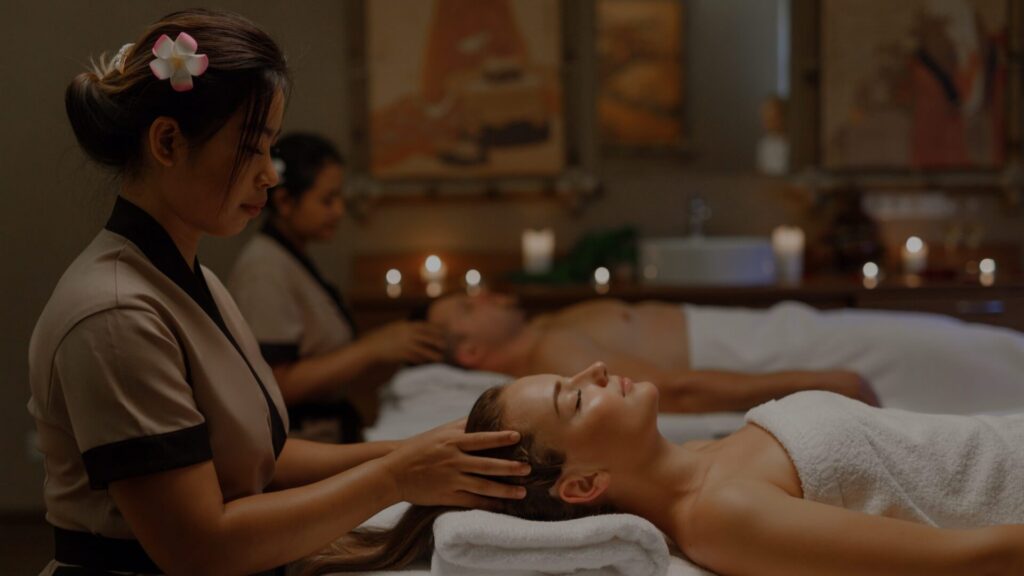
Massage & Wellness Guide How Often Should You Get a Massage? A practical guide to choosing a massage schedule based on relaxation, muscle tension, activity level and how your body responds after each session. Gaia Spa Editorial Team Weston, Florida Updated August 24, 2026 QUICK ANSWER There is no single massage schedule that works for everyone. For general relaxation, every 3 to 4 weeks is a practical starting point. People with an active lifestyle or recurring muscle tension may prefer every 1 to 2 weeks for a limited period before reassessing. Your comfort, goals, budget and response after treatment should determine the final schedule. Massage Frequency at a Glance The following intervals are planning guidelines rather than medical prescriptions. Start conservatively, notice how you feel during the following day or two, and adjust the schedule with your massage therapist. General relaxation Every 3–4 weeks A useful starting schedule for regular self-care, relaxation and maintaining a consistent wellness routine. High-stress periods Every 2–3 weeks Some guests temporarily shorten the interval during demanding periods, then return to monthly maintenance. Active lifestyle Every 1–3 weeks Frequency may depend on training intensity, recovery, pressure preference and the timing of important events. Recurring muscle tension Weekly or every 2 weeks initially A short series may be considered before increasing the time between sessions. Persistent pain should be evaluated by a qualified health care professional. Massage frequency should reflect your goals, pressure preference and response after each appointment. Why There Is No Universal Massage Schedule Massage is not a one-size-fits-all service. Two guests can receive the same type of massage and need different amounts of recovery time afterward. Frequency depends on the massage style, pressure level, lifestyle, health history and reason for booking. Someone booking a relaxing Swedish-style massage may be comfortable with monthly appointments. A physically active guest may prefer appointments closer together during a demanding training period. Another person may simply schedule massage occasionally for travel, celebrations or dedicated relaxation. How Often Should You Get a Massage for Relaxation? For general relaxation, consider starting with one massage every 3 to 4 weeks. This creates a consistent routine without assuming that frequent treatment is necessary. If you remain comfortable and feel that the benefits fade sooner, you can discuss a shorter interval with your therapist. If the effect lasts longer, scheduling every 4 to 6 weeks may be enough for your goals. How Often Should You Get a Massage for Muscle Tension? Guests with recurring muscle tightness sometimes begin with sessions one or two weeks apart for a limited period. After several appointments, the interval can be reassessed based on comfort, mobility and how long the improvement appears to last. Important distinction Massage may support relaxation and short-term comfort, but it should not be used to diagnose an injury or replace medical care. New, severe or persistent pain should be discussed with a qualified health care professional. How Often Should Active People Get a Massage? Active guests may schedule massage every 1 to 3 weeks depending on training load, recovery needs and personal preference. Appointments do not always need to use firm pressure. The massage style and intensity should match how the body feels that day. Avoid scheduling an unfamiliar or unusually intense massage immediately before an important competition or demanding physical event. Begin with a comfortable session and learn how your body responds. How Often Should You Get a Deep Tissue Massage? Deep tissue massage uses firmer, more targeted pressure, so frequency should be based on comfort and recovery rather than a fixed calendar. A common starting interval is every 2 to 4 weeks, but some guests may need more time between sessions. Significant pain during treatment is not the goal. Tell your therapist if the pressure feels excessive, and allow time to evaluate how you feel afterward. Learn more about deep tissue massage in Weston, FL. Still deciding which pressure and treatment style better matches your goals? Compare the key differences in our Swedish massage vs deep tissue massage guide . How Massage Type Can Affect Frequency Swedish Massage Generally selected for lighter-to-medium pressure, relaxation and a calming full-body experience. Explore Swedish Massage → Deep Tissue Massage Uses firmer, targeted techniques. Allow the frequency to reflect your pressure tolerance and recovery. Explore Deep Tissue Massage → Lymphatic Drainage Massage Gaia’s non-post-surgical wellness service uses gentle, rhythmic techniques. Frequency should reflect your comfort and individual guidance. Explore Lymphatic Drainage Massage → Couples Massage Often booked as a shared relaxation experience for date days, celebrations or regular time together. Explore Couples Massage → Signs That You May Need More Time Between Sessions A massage schedule should remain comfortable. Consider increasing the time between appointments or choosing lighter pressure if: Soreness lasts longer than expected. You feel unusually fatigued after appointments. An area becomes more uncomfortable after treatment. You have a new injury, illness or change in medication. Your health care provider recommends avoiding certain techniques. Communicate openly with your therapist before and during every appointment. Pressure and technique can be adjusted at any time. Massage may be scheduled for individual wellness goals or as a shared couples spa experience. When to Speak With a Health Care Professional First Discuss massage before booking if you have: A recent injury, surgery, fracture or open wound. A bleeding disorder or take blood-thinning medication. A history of blood clots or a current suspected clot. Severe osteoporosis or another condition increasing injury risk. A high-risk pregnancy or pregnancy-related medical concern. A health condition for which massage precautions have been recommended. The National Center for Complementary and Integrative Health states that massage generally has a low risk of harmful effects, but rare serious complications have been reported, particularly with vigorous massage or people at increased risk of injury. How to Choose Your Personal Massage Schedule Start with one appointment instead of committing immediately to a rigid schedule. After the session, consider: Did the pressure feel comfortable? How did you feel during the next 24 to 48 hours? How long did
Hydrafacial vs Traditional Facial: Which Treatment Is Right For You?
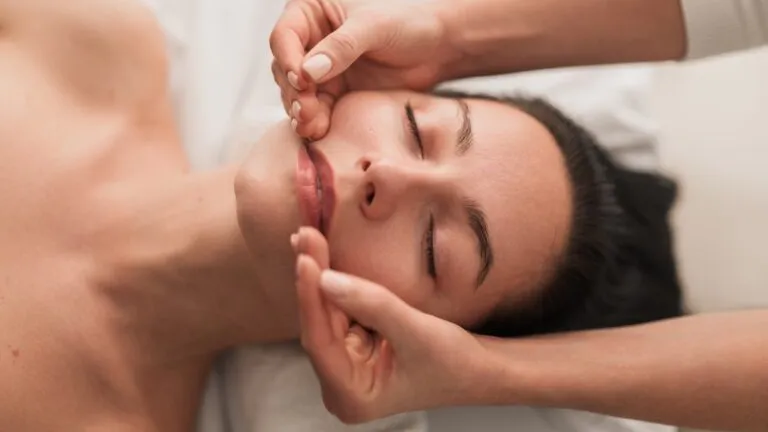
FACIAL GUIDE Hydrafacial vs Traditional Facial: Which Treatment Is Right For You? Compare Hydrafacial and traditional facial treatments to understand the differences, benefits and which option may better match your skincare goals. Gaia Spa Weston, Florida Facial Treatments QUICK ANSWER Both Hydrafacial and traditional facials can support healthier-looking skin, but they provide different experiences. A traditional facial focuses on customized skincare, while Hydrafacial uses advanced technology to combine cleansing, exfoliation and hydration. What Is a Traditional Facial? A traditional facial is a customized skincare treatment designed around your skin type and personal goals. Depending on the service selected, a facial may include cleansing, exfoliation, hydration and professional skin care techniques. Many guests choose traditional facials because they provide a relaxing spa experience while allowing treatments to be adjusted based on individual skin needs. What Is a Hydrafacial? A Hydrafacial is an advanced facial treatment that combines multiple skincare steps into one professional service. Hydrafacial treatments are commonly selected by guests who want a professional cleansing and hydration experience with a technology-based approach. Hydrafacial vs Traditional Facial: Key Differences Traditional Facial Hydrafacial Customized skincare based on your skin type and goals Uses advanced technology with multiple treatment steps Focuses on cleansing, relaxation, hydration and maintenance Focuses on cleansing, exfoliation and hydration A classic choice for regular skincare routines A popular option for guests looking for an advanced facial experience Which Facial Treatment Is Right For Your Skin? The best facial treatment depends on your personal skincare goals, skin condition and the type of experience you are looking for. Choose a Traditional Facial If You Prefer: A customized skincare experience Relaxation and professional skin maintenance A treatment adjusted around your skin type A classic spa facial experience Choose a Hydrafacial If You Prefer: An advanced facial treatment experience Professional cleansing and hydration steps A technology-based skincare approach A refreshed and polished skin appearance Can You Combine Different Facial Treatments? Your skincare routine does not have to include only one type of facial. Many guests choose different treatments depending on their current skin goals. For example, some guests may choose a traditional facial for regular maintenance and explore advanced options such as Hydrafacial or Dermaplaning when they want a different skincare experience. At Gaia Spa, our team can help you explore facial options based on your preferences and skincare needs. How Often Should You Get a Hydrafacial? The ideal Hydrafacial schedule depends on your skincare goals, the condition of your skin and your overall treatment plan. Guests interested in learning more can explore our Hydrafacial services at Gaia Spa in Weston, Florida. Hydrafacial vs Traditional Facial for Special Events Many guests schedule professional facial treatments before weddings, vacations, celebrations or important events. The right choice depends on your preferred experience. Some guests prefer a customized traditional facial, while others choose Hydrafacial for its advanced treatment approach. Frequently Asked Questions What is the difference between Hydrafacial and a traditional facial? A traditional facial focuses on customized skincare techniques, while Hydrafacial uses advanced technology to combine cleansing, exfoliation and hydration steps. Is Hydrafacial better than a regular facial? Neither treatment is universally better. The right choice depends on your skincare goals, preferences and the type of facial experience you are looking for. Which facial is better for beginners? A traditional customized facial can be a comfortable starting point for guests who are new to professional skincare treatments. How long does a Hydrafacial take? Hydrafacial appointment length depends on the specific treatment selected and the service options available. Can I get Hydrafacial and Dermaplaning together? Some guests choose different facial treatments as part of their overall skincare routine. Discussing your goals with a skincare professional can help determine suitable options. Where can I get Hydrafacial and facial treatments in Weston, Florida? Gaia Spa offers professional facial treatments in Weston, Florida, including customized facial services designed around individual skincare goals. Explore Gaia Spa Facial Services Facials Hydrafacial Dermaplaning
How Often Should You Get a Facial?
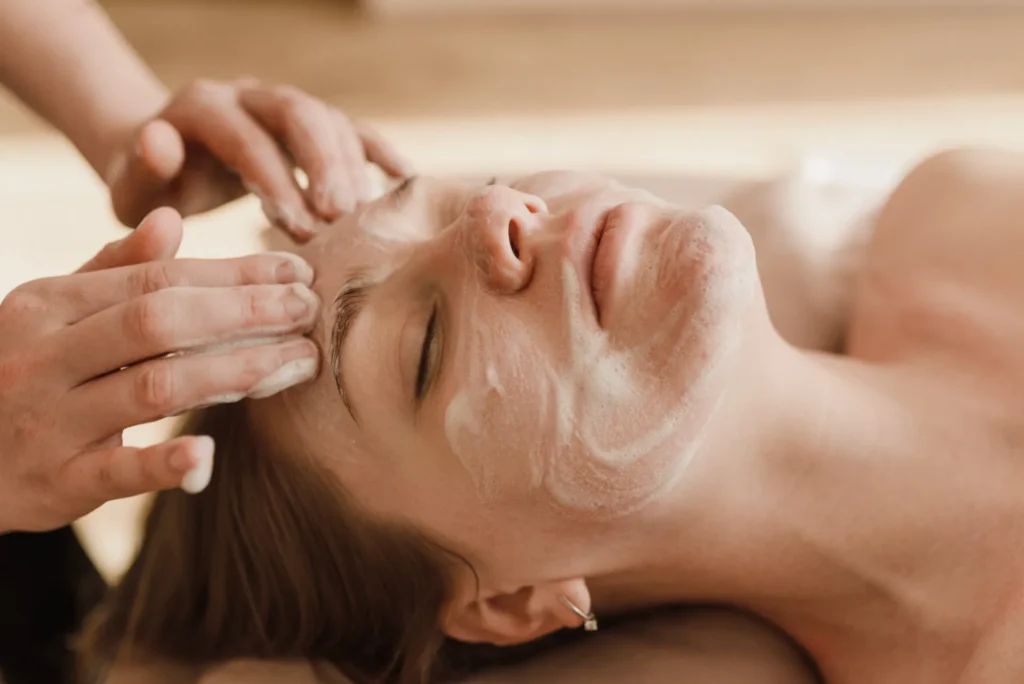
Skin Care Guide How Often Should You Get a Facial? Learn how often you should schedule professional facial treatments and what factors can influence the right facial routine for your skin. Gaia Spa Weston, Florida Facial & Skin Care QUICK ANSWER Most people benefit from a professional facial every 4 to 6 weeks, but the ideal schedule depends on your skin type, treatment goals, the facial service selected and how your skin responds after treatment. Why Regular Facials Matter Facials are more than a relaxing spa experience. Professional facial treatments provide customized skincare support that goes beyond a daily home routine. A professional facial may include cleansing, exfoliation, hydration and personalized skincare techniques based on your individual needs. At Gaia Spa in Weston, Florida, facial treatments are designed to help guests choose services that match their personal skincare goals. How Often Should You Get a Facial? There is no single facial schedule that works for everyone. The right frequency depends on your skin condition, lifestyle, treatment type and personal skincare goals. Every 4 to 6 Weeks Many guests choose a facial every month as part of their regular wellness routine. This schedule allows consistent professional attention while giving the skin time between treatments. For Dry or Dehydrated Skin Hydrating facial treatments may help improve the appearance of dry skin and support a smoother, refreshed look. For Oily or Congested Skin Guests dealing with excess oil or clogged pores may benefit from professional cleansing treatments customized for their skin needs. Factors That Affect Facial Frequency The ideal facial schedule depends on more than just time. Your skin condition, lifestyle and treatment goals all influence how often professional facial treatments may be helpful. Your Skin Type Different skin types may require different approaches. Dry, oily, sensitive or combination skin may benefit from different facial treatment schedules. Your Skincare Goals Some guests focus on hydration and relaxation, while others may want support for concerns such as uneven texture, congestion or overall skin maintenance. Your Daily Routine Your home skincare routine, sun exposure and lifestyle habits can also affect how often professional treatments fit into your routine. Professional Facial vs Home Skincare A consistent home skincare routine is important, but professional facials provide an experience that cannot always be recreated at home. During a professional facial, an esthetician can evaluate your skin, recommend suitable treatments and provide customized care based on your current needs. Many guests combine regular home skincare with professional facial appointments as part of their overall wellness routine. Choosing the Right Facial Treatment Different facial treatments are designed for different skincare goals. Choosing the right option depends on your skin concerns and the type of experience you want. Classic Facial A classic facial is a popular choice for guests looking for customized cleansing, hydration and professional skincare maintenance. Hydrafacial Hydrafacial treatments combine multiple skincare steps and are designed for guests looking for professional cleansing and hydration. Learn more about Hydrafacial treatments at Gaia Spa . Dermaplaning Dermaplaning is a professional exfoliation treatment that helps create a smoother-looking skin surface. Explore Dermaplaning at Gaia Spa to learn more about this treatment option. How Often Should You Get a Hydrafacial? The ideal Hydrafacial schedule depends on your skin goals, treatment plan and how your skin responds after each session. Guests interested in advanced facial treatments can explore Gaia Spa’s Hydrafacial services and discuss their skincare goals with the spa team. How Often Should You Get Dermaplaning? Dermaplaning frequency depends on your skin type and professional recommendations. A personalized approach helps ensure the treatment fits comfortably into your skincare routine. Learn more about Dermaplaning services in Weston, Florida at Gaia Spa. Frequently Asked Questions How often should you get a facial? Many people schedule professional facials every 4 to 6 weeks, but the best frequency depends on individual skin needs and treatment goals. Are facials good for your skin? Professional facials can support healthier-looking skin by providing customized cleansing, exfoliation, hydration and skincare treatments. What facial should beginners start with? A customized facial is often a good starting point because the treatment can be adjusted according to your skin type and preferences. Can you get a facial before a special event? Yes. Many guests schedule facials before important events, but it is recommended to plan ahead, especially when trying a new treatment. Where can I get a facial in Weston, Florida? Gaia Spa provides professional facial treatments in Weston, Florida, with customized options designed around individual skincare goals. Explore Gaia Spa Facial Services Facials Hydrafacial Dermaplaning
Sauna Before or After Massage? Best Order & Timing

SAUNA & MASSAGE GUIDE Sauna Before or After a Massage: Which Order Is Better? Compare the best order, practical timing, hydration steps and safety considerations when planning sauna and massage during the same spa visit. Gaia Spa Editorial Team Weston, Florida Updated August 24, 2026 Editorial disclosure: Gaia Spa offers massage, private sauna and spa ritual services. Service information reflects the experiences currently available at our Weston location. Important: This educational guide is not medical advice and has not been medically reviewed. Direct research comparing sauna-before-massage with massage-before-sauna is limited. Ask a qualified healthcare professional for individualized guidance when a health condition, pregnancy, medication, injury or heat intolerance may affect you. Quick Answer For most healthy adults, a short sauna session before massage is the more practical default. Allow time to cool down, stop heavy sweating, shower and hydrate before beginning the massage. Sauna after a gentle massage may also feel comfortable, but it should be brief and is generally better avoided after deep tissue, sports or hot stone massage if you feel sore, dizzy, dehydrated or overheated. Key Takeaways Sauna before massage is the more practical starting order for most healthy adults. Use a short, comfortable sauna session instead of trying to maximize heat or sweating. Cool down, stop heavy sweating, shower and drink water before moving to the massage table. Immediate sauna use is generally less suitable after deep tissue, sports or hot stone massage. Stop if you experience dizziness, nausea, unusual weakness, chest discomfort or difficulty cooling down. Table of Contents Best Order Why Sauna First Massage First Waiting Time Before vs. After Massage Types Post-Workout Recovery How to Prepare Sample Routines Evidence and Limitations Gaia Spa Experience Who Should Use Caution Frequently Asked Questions References Should You Use a Sauna Before or After a Massage? Sauna before massage is the more practical default for most healthy adults because it places the heat exposure at the beginning of the visit. You can then leave the sauna, cool down, shower, drink water and decide whether you feel comfortable continuing with the massage. Sauna after massage is not automatically unsafe for every healthy person. However, it adds another period of heat, sweating and circulatory demand after the massage has already left you relaxed, warm, tender or tired. The goal is not to complete the longest sauna session and request the deepest massage during one visit. A comfortable combination normally requires shorter heat exposure, sufficient transition time and a massage intensity that matches how you feel that day. Simple summary Start with a short sauna session, cool down completely, shower and hydrate, and then continue with a light or moderate massage. Treat any post-massage sauna as an optional addition rather than a required final step. Why Sauna Before Massage Is the Better Default Sauna heat raises skin temperature and increases sweating. Heart rate and blood pressure may also change during and after heat exposure. These responses help explain why some guests feel warm and relaxed, while others can feel lightheaded, weak or uncomfortable when a session is too hot or too long. Scheduling the sauna first gives you a clear transition period. After leaving the heat, you can sit at room temperature, drink water, use the shower and confirm that your breathing, balance and overall comfort have returned to normal. Beginning with heat may also provide a quiet transition away from work, exercise or daily stress. Some guests enjoy arriving at the massage table feeling settled and comfortably warm. This does not prove that sauna makes massage more effective or heals muscle injuries. It is better understood as a practical comfort and scheduling strategy. When Sauna After Massage May Be Appropriate Experienced sauna users may enjoy a brief sauna after a gentle Swedish or relaxation massage when they feel cool, alert, hydrated and physically steady. In this order, the massage remains the main service and the sauna is optional. If the massage leaves you deeply relaxed, lightheaded, unusually warm, tender or tired, skip the sauna instead of trying to complete a planned routine. Immediate post-massage heat is generally less appropriate after deep tissue work, sports massage, hot stone massage, extensive trigger-point work or a demanding workout. Comfort comes before schedule A booking time does not mean you must continue into the sauna. Assess how you feel after the massage and tell the spa team if you need more recovery time or prefer to skip the heat. How Long Should You Wait Between Sauna and Massage? There is no universal research-backed waiting period that applies to every person, temperature, massage technique and health situation. Physical recovery signs matter more than the clock. Situation Practical Starting Point Important Consideration Sauna before massage Approximately 5–10 minutes of comfortable heat Beginners should start shorter and leave immediately when they feel unwell. Cooling after sauna Often approximately 10–20 minutes Continue cooling until heavy sweating has stopped and breathing and balance feel normal. Sauna after a gentle massage At least 20–30 minutes as a conservative starting point This is practical guidance, not a universal medical rule. After deep tissue or sports massage Skip immediate heat or schedule it another day Especially important when you feel sore, tired, dehydrated or lightheaded. After hot stone massage Usually avoid immediate additional heat Hot stone massage has already added significant heat to the experience. Begin the massage only when you have stopped heavy sweating, cooled down, showered and feel steady. Do not move directly from strong heat to the massage table simply because the appointment is scheduled to begin. Sauna Before vs. Sauna After Massage Option How It Fits the Visit Best Suited For Main Concern Sauna before massage Creates a warm, quiet transition before hands-on treatment. Most first-time combinations and guests who have enough time to cool down. Do not move to the massage table while overheated or heavily sweating. Sauna after massage Extends the quiet portion of the spa visit after gentle bodywork. Experienced sauna users after a light relaxation massage. May add dehydration, fatigue, tenderness or
